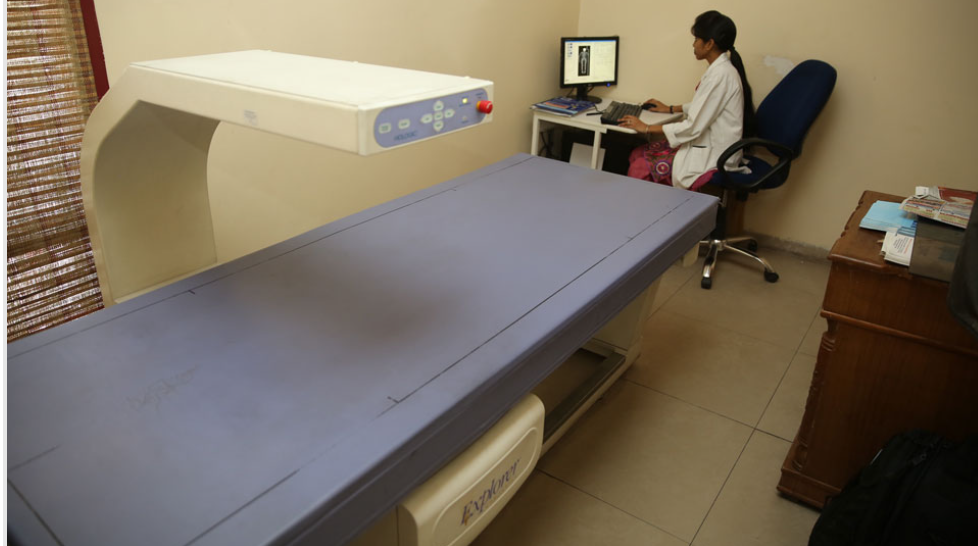
A Comprehensive Guide to What Is a Dual Energy Xray Absorptiometry helps you understand this important medical test used to measure bone density and detect osteoporosis. Dual Energy Xray Absorptiometry, also known as DEXA scan, is a safe and painless imaging test that checks how strong your bones are. Doctors often recommend this test for people who are at risk of bone loss, especially older adults and postmenopausal women. In this article, you will learn what this test is, how it works, and why it is important for your bone health.
What Is a Dual Energy X-Ray Absorptiometry?
Dual Energy X-Ray Absorptiometry, commonly called DEXA or DXA, is a medical test used to measure bone strength and body composition. Doctors mainly use this test to check bone density and to find out if a person has weak bones or a risk of osteoporosis. The test is safe, quick, and painless, which makes it very popular around the world.
DEXA uses very low levels of X-ray energy to scan the body. It measures how much X-ray passes through bones and tissues. Strong bones block more X-rays, while weaker bones allow more X-rays to pass through. This difference helps doctors understand bone health clearly.
Why Is a DEXA Scan Important?

A DEXA scan is important because bone loss often happens silently. Many people do not feel pain or symptoms until a fracture occurs. This test helps doctors detect bone problems early, before serious damage happens.
DEXA scans are commonly recommended for older adults, especially women after menopause. People with a family history of osteoporosis or those who take certain medicines for a long time may also need this test. It helps doctors decide the right treatment and lifestyle changes.
How Does Dual Energy X-Ray Absorptiometry Work?
Dual Energy X-Ray Absorptiometry works by using two different X-ray beams. One beam is high energy, and the other is low energy. These beams pass through the body and are measured by a detector.
Because bones and soft tissues absorb X-rays differently, the machine can separate bone data from muscle and fat. This method gives very accurate results compared to normal X-rays.
The scan usually focuses on the spine, hips, or sometimes the whole body. These areas are important because fractures commonly occur there.
What Happens During a DEXA Scan?

During a DEXA scan, the person lies flat on a padded table. The machine moves slowly over the body. There is no enclosed space, so it does not feel uncomfortable or scary.
The test usually takes 10 to 20 minutes. You do not need anesthesia, and you can go home immediately after the scan. The radiation level is very low, much lower than a regular X-ray.
You may be asked to remove metal objects like belts or jewelry before the scan, as they can affect the results.
What Can a DEXA Scan Measure?
A Dual Energy X-Ray Absorptiometry scan can measure bone mineral density. This tells doctors how strong or weak the bones are. The results are often shown as T-scores and Z-scores, which help compare your bone strength with others.
DEXA can also measure body composition. It can show the amount of fat, muscle, and lean mass in the body. Athletes and fitness experts sometimes use this feature to track body changes.
Who Should Get a DEXA Scan?
People over the age of 65 are often advised to get a DEXA scan. Women after menopause are at higher risk of bone loss and may need earlier testing.
People who have had fractures from minor falls, smokers, and those with vitamin D deficiency may also need this test. Doctors may recommend repeat scans every one or two years to monitor bone health.
Read also:-How to Factory Reset ASUS ROG Ally Step by Step
Is Dual Energy X-Ray Absorptiometry Safe?

Yes, Dual Energy X-Ray Absorptiometry is very safe. The radiation exposure is extremely low. It is much lower than a CT scan and even lower than many regular X-ray tests.
However, pregnant women should inform the doctor before having a DEXA scan. Even though the radiation is low, it is better to avoid unnecessary exposure during pregnancy.
Benefits of DEXA Scanning
DEXA scans provide accurate and reliable results. They help in early detection of bone diseases and reduce the risk of fractures. The test is quick, painless, and non-invasive.
It also helps doctors track how well treatments are working. If bone density improves or stays stable, the treatment plan is considered effective.
Limitations of DEXA
Although DEXA is very accurate, it does not show bone quality, only bone density. It also cannot predict exactly when a fracture will happen. Still, it remains the best standard test for bone health today.
FAQs
What does a DEXA scan diagnose?
A DEXA scan diagnoses low bone density, osteoporosis, and fracture risk.
Is a DEXA scan painful?
No, the test is completely painless and does not require injections or surgery.
How long does a DEXA scan take?
Most scans take between 10 and 20 minutes.
Can DEXA measure body fat?
Yes, it can measure body fat, muscle mass, and overall body composition.
How often should you get a DEXA scan?
Doctors usually recommend it every one to two years, depending on risk factors.